Understanding the psychological influences behind gambling decisions
Understanding the psychological influences behind gambling decisions
The Allure of Gambling: An Introduction
Gambling has long captivated individuals, drawing them into a world of risk and reward. At its core, the psychological allure of gambling is tied to thrill-seeking behavior, where individuals experience excitement and anticipation. This phenomenon can be linked to the brain’s reward system, which releases dopamine—a neurotransmitter associated with pleasure—when people win or even when they anticipate a potential win. This creates a cycle of behavior where the need for more excitement drives repeat gambling decisions. With the rise of online platforms, players now enjoy the convenience of gaming from home, like at mafiacasinoscz.cz, which offers a wide range of options tailored to their preferences.

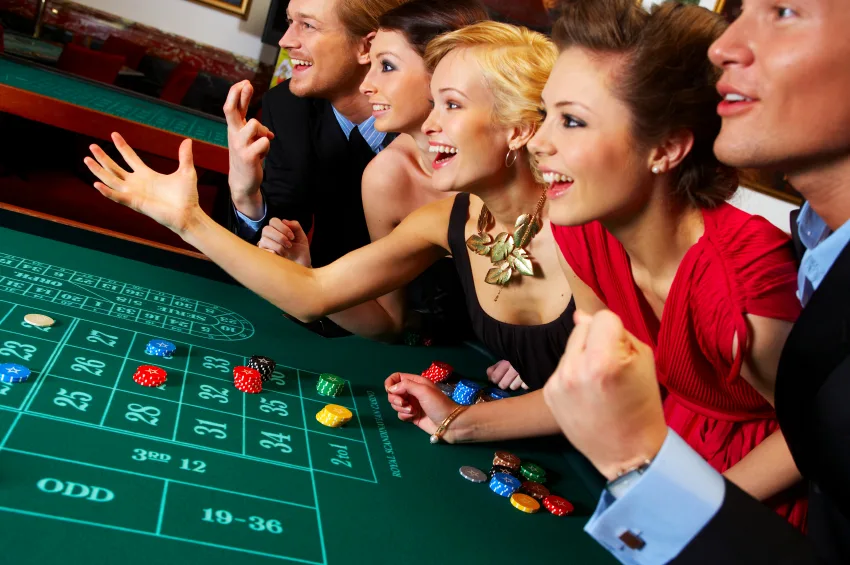
In both online and brick-and-mortar environments, the ambiance plays a crucial role in shaping these experiences. Bright lights, immersive sounds, and the social atmosphere of a casino can heighten feelings of euphoria. Similarly, online platforms often replicate these sensations through high-quality graphics and engaging sound effects. Such environments not only draw players in but also condition them to associate these stimuli with positive outcomes, reinforcing their desire to gamble.
Additionally, many gamblers develop cognitive biases, such as the illusion of control, where they believe they can influence the outcome of random events. This misconception fuels ongoing participation in gambling activities, as players may feel their skills can lead to victories. Ultimately, understanding these psychological factors provides valuable insights into why individuals make certain gambling decisions, whether at a casino or through online platforms.
The Role of Emotions in Gambling Decisions
Emotions play a pivotal role in shaping gambling behavior. When individuals engage in gambling, they often seek to escape from negative feelings or to enhance positive ones. For instance, someone experiencing stress or anxiety might turn to gambling as a form of distraction. This behavior can lead to problematic gambling patterns as the individual uses betting as a coping mechanism, compounding their emotional struggles.
Moreover, the emotional highs associated with winning can overshadow the negative consequences of losing. Many gamblers chase that fleeting feeling of victory, leading to a cycle where they repeatedly bet in hopes of replicating that success. This emotional rollercoaster can make it difficult for individuals to recognize the risks involved, as their judgment may become clouded by the pursuit of euphoria. Consequently, understanding the interplay of emotion and gambling is critical for identifying potential problem gambling behaviors.
Research indicates that the emotional state prior to gambling can also influence decision-making. For example, individuals who enter a gambling environment feeling optimistic may engage in riskier bets. Conversely, those who are feeling low may stick to conservative choices. This variability demonstrates how critical emotional health is in assessing gambling decisions, making it essential for gamblers to remain aware of their emotional states before participating.
The Influence of Social Factors on Gambling
Social influences are another critical component in understanding gambling decisions. The presence of peers can significantly affect how individuals engage with gambling activities. In a casino, social interactions can create a sense of camaraderie, encouraging players to gamble more than they might individually. This phenomenon is often referred to as social reinforcement, where the behavior of others influences one’s own actions.
Online gambling platforms have also harnessed the power of social connections. Features such as live chats, leaderboards, and shared experiences can foster a community atmosphere that encourages more frequent gambling. The desire to fit in or outperform peers can drive players to increase their betting, often leading to irresponsible financial decisions. Moreover, the normalization of gambling within social circles can diminish the perceived risks associated with it.
Additionally, cultural factors shape gambling decisions on a broader scale. In some societies, gambling is viewed as a form of entertainment and a social activity, while in others, it may carry a stigma. Understanding these cultural differences is crucial, as they can dictate how individuals approach gambling, whether they view it as a leisure activity or a potential addiction. Recognizing these social dimensions can empower individuals to make informed decisions about their gambling behavior.
Cognitive Biases and Their Impact on Gambling Choices
Cognitive biases are systematic patterns of deviation from norm or rationality in judgment. In gambling, these biases can profoundly influence decision-making processes. One common example is the gambler’s fallacy, where individuals believe that past outcomes affect future results in random events, such as the roll of dice or spinning of a slot machine. This misunderstanding often leads to erratic betting behavior, as players might wrongly assume that they can predict the outcome based on previous results.
Another significant cognitive bias is the confirmation bias, where individuals seek out information that supports their beliefs while ignoring evidence that contradicts them. For instance, a gambler may focus on their winning streak and disregard their losses, which can reinforce continued participation despite negative outcomes. This selective thinking creates a distorted view of their gambling success and may lead to escalated betting in an attempt to recapture perceived luck.
Addressing these cognitive biases requires awareness and education. By understanding how these psychological influences operate, gamblers can cultivate healthier attitudes towards their gambling habits. Interventions and support systems that encourage reflective thinking may also aid individuals in making more informed decisions about their gambling, ultimately reducing the risk of addiction and financial loss.
Exploring Mafia Casino: A New Era of Gambling Experience
Mafia Casino represents a modern approach to gambling, offering an innovative blend of sports betting and online casino experiences. This platform has been designed with user psychology in mind, creating an engaging atmosphere that mirrors the thrill of brick-and-mortar casinos. With its vast selection of games and regular updates, Mafia Casino caters to a diverse audience, ensuring players are consistently engaged and entertained.
New players are greeted with enticing welcome bonuses, including substantial offers on their first deposits and free spins, which are strategically designed to attract and retain users. These promotional offers not only enhance the initial gaming experience but also capitalize on the psychological tendency for individuals to be drawn in by the prospect of winning without much risk. In this environment, players are encouraged to explore a wide range of titles, facilitating a deeper immersion in the gaming experience.
Ultimately, Mafia Casino recognizes the importance of player protection and responsible gambling. Operating under a strict international gaming license, the platform emphasizes the necessity of safe gaming practices while fostering a fun and thrilling atmosphere. By understanding the psychological factors at play, Mafia Casino aims to enhance player satisfaction while promoting healthy gaming behaviors, making it an exciting choice for both novice and experienced gamblers alike.
